UK Taxation of Wind Farms: Is It the Right Move for Denmark?
UK taxation of wind farms is a hot topic. Discover why Denmark’s Orsted supports this decision and what it means for the industry.
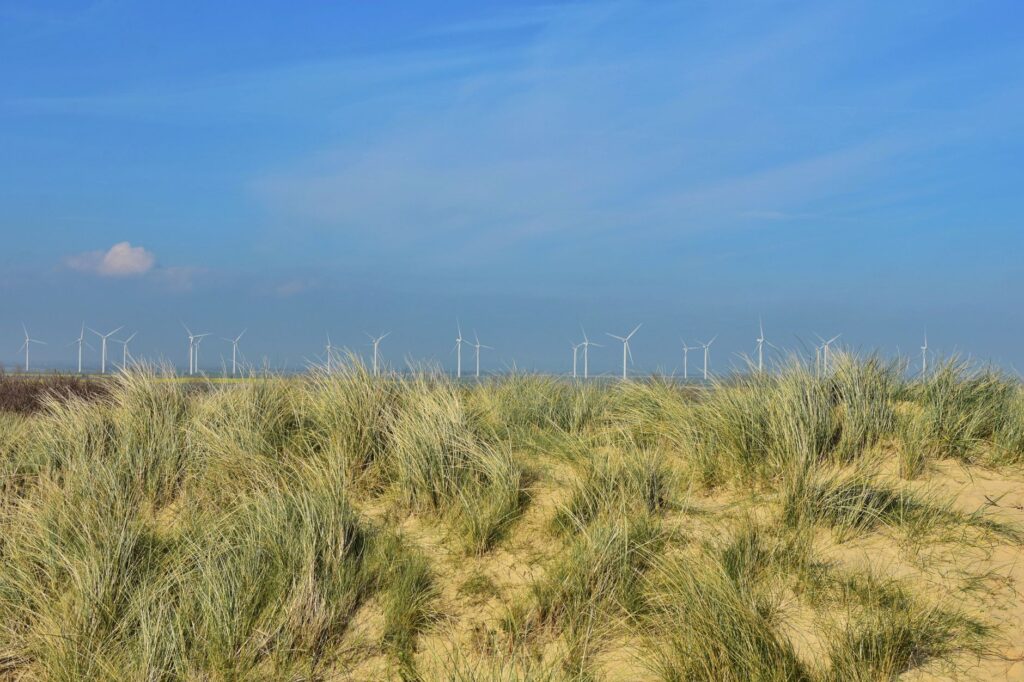
UK taxation of wind farms is gaining attention as Denmark’s Orsted backs this initiative. The implications for the renewable energy sector could be significant.
Understanding UK Taxation of Wind Farms
The recent discussions surrounding the UK taxation of wind farms have generated significant interest, especially in light of Denmark’s Orsted receiving support from a commission regarding taxation policies affecting British renewable energy projects.
Wind farms in the UK play a crucial role in the transition to renewable energy, contributing to the nation’s goals of reducing carbon emissions and enhancing energy security. However, the introduction of new tax measures could impact the financial viability and future investments in this sector.
Key points concerning the UK taxation of wind farms include:
- Investment Incentives: Tax policies can influence the attractiveness of the UK market to international investors and energy companies.
- Revenue Generation: The government aims to generate revenue from the booming renewable sector to support public services and infrastructure.
- Environmental Goals: Ensuring that tax measures align with environmental targets is crucial for sustainable growth.
As stakeholders assess the implications of these taxation policies, the conversation continues about whether they will ultimately benefit or hinder the growth of renewable energy in the UK.
Impact of UK Taxation on Renewable Energy
The recent developments surrounding UK taxation of wind farms have raised significant questions about their impact on renewable energy investment. As the UK government implements new tax measures, companies like Denmark’s Orsted are closely monitoring the implications for their operations.
One major concern is the potential deterrent effect on future investments in wind energy. As the UK seeks to expand its renewable energy portfolio, the introduction of taxes could lead to increased costs for developers. This may discourage new projects and hinder the transition to a greener economy.
Moreover, the taxation could affect the competitiveness of UK wind farms compared to those in other countries, potentially driving investment elsewhere. Key stakeholders in the renewable energy sector are weighing the balance between generating revenue for the government and maintaining an attractive environment for green investments.
Some argue that the revenue generated from this taxation could be reinvested into further renewable energy initiatives, fostering innovation and sustainability. However, the ultimate effectiveness of this strategy remains to be seen, as the industry navigates the complexities of UK taxation of wind farms and its broader implications for the energy landscape.
Orsted’s Position on Wind Farm Taxation
Orsted, a leader in renewable energy, has expressed its support for the UK’s taxation of wind farms, arguing that it could lead to more sustainable investments in the sector. The company’s stance comes in light of a recent commission that endorsed the UK taxation of wind farms, suggesting that such measures might enhance fairness in the energy market.
According to Orsted, the implementation of taxation on wind farms in the UK could provide a much-needed framework for generating revenue while ensuring the continued growth of renewable energy projects. The company believes that a well-structured tax policy would encourage other nations, including Denmark, to consider similar approaches.
Key points from Orsted’s position include:
- Investment Stability: Taxation could create a more predictable environment for investors.
- Market Fairness: A tax system may ensure that all energy producers contribute to national goals.
- Incentives for Growth: Properly designed taxes can stimulate further development and innovation in renewable technologies.
In conclusion, Orsted views the UK taxation of wind farms as a potential catalyst for positive change in the energy landscape, both in the UK and beyond.
Future of Wind Energy in the UK
The future of wind energy in the UK remains a topic of debate, particularly following the recent discussions surrounding UK taxation of wind farms. As the UK aims to enhance its renewable energy portfolio, the role of wind farms is becoming increasingly pivotal. However, the introduction of taxation may influence investment decisions and project viability.
Several factors could shape the trajectory of wind energy in the UK:
- Investment Climate: The overall atmosphere for investment in renewable energy will be affected by the taxation policies. A balanced approach is necessary to ensure that investors remain attracted to wind farm projects.
- Technological Advancements: Ongoing innovations in wind turbine technology may enhance efficiency and reduce costs, making wind energy more appealing despite potential tax implications.
- Public Support: The acceptance of wind farms by the local communities will be crucial. If taxation is perceived as a fair means to support infrastructure, public backing may strengthen.
- Government Policies: The UK government’s commitment to renewable energy will play a significant role in determining how taxation affects the sector.
Ultimately, the sustainability of wind energy in the UK hinges on finding a balance between taxation and continued growth.
Photo by Oliver Snowden on Pexels
Sources
You might also like
Harmanpreet Kaur catch: Is it the best viral moment ever? · Arsenal Napoli Champions League: Was It the Worst Match Ever? · SBC Summit Western Europe: A Clear Look at Regulation





1 thought on “UK Taxation of Wind Farms: Is It the Right Move for Denmark?”